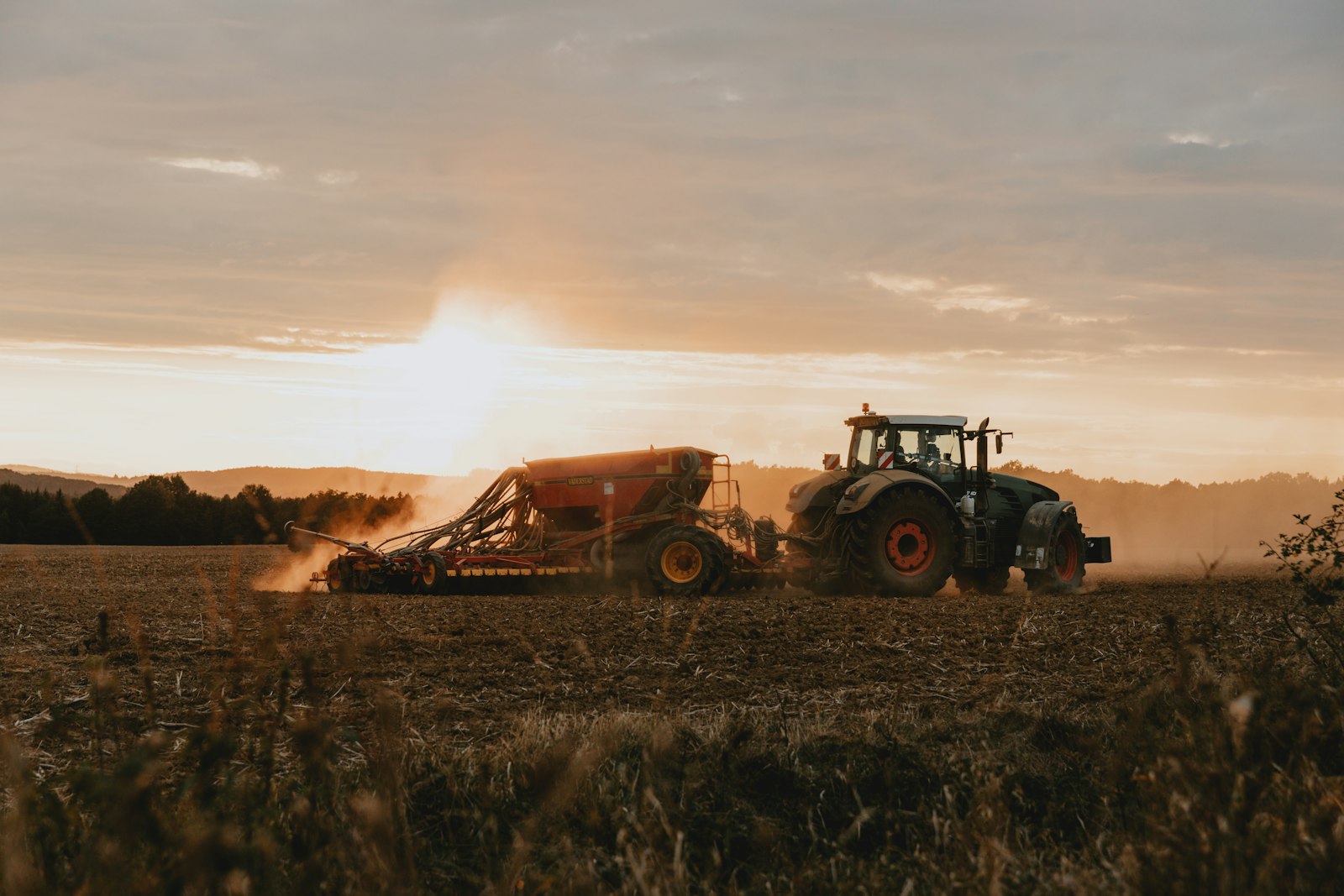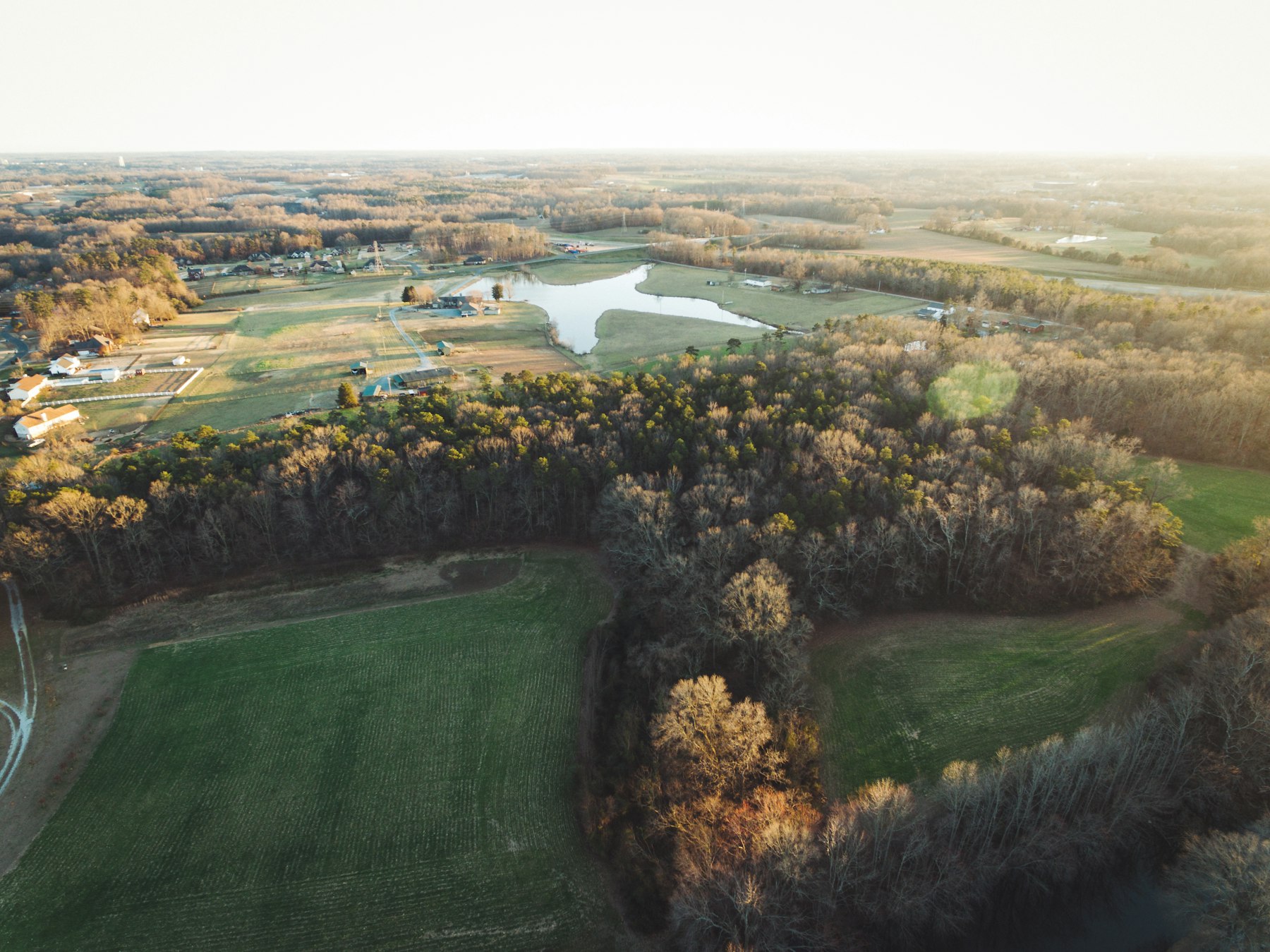
Our cropping land in Toba Tek Singh is divided into numbered blocks, and the block — not the farm — is the unit everything is recorded against. That is what makes a harvest traceable: when a buyer asks where a consignment of wheat came from, the answer is a block reference and a set of dated entries, not a district name.
Before sowing
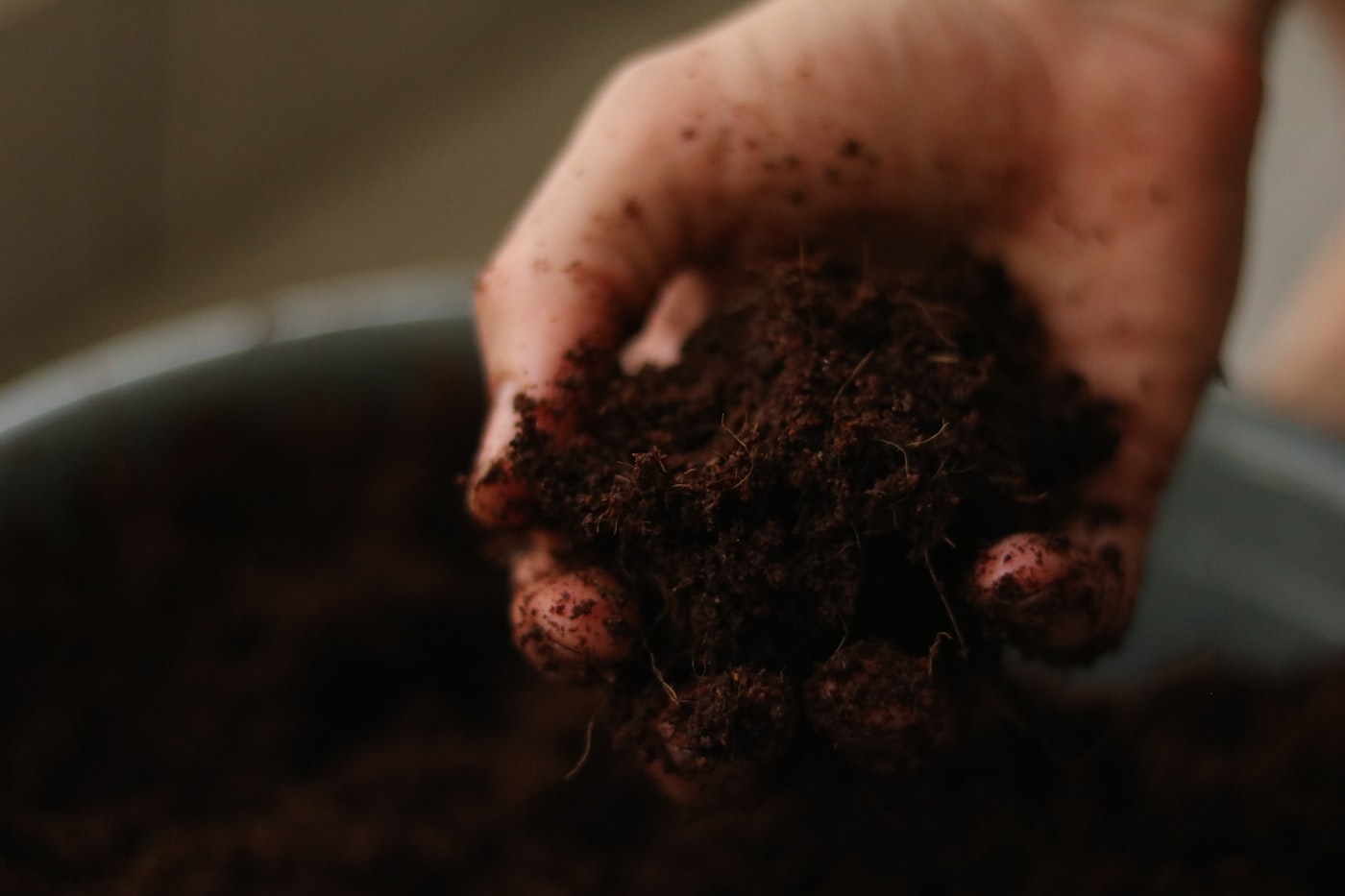
Every block carries a current soil test covering organic matter, pH and the main nutrients. The test sets the fertiliser plan rather than the other way round, which is both cheaper and less damaging than applying to a schedule. Seed comes from certified lots, and the lot number is written into the sowing record.
Through the season
Irrigation is drawn from the canal system and metered by cycle. Counting cycles per block gave us our first honest picture of water use per tonne, and it is now the number we manage against. Input applications — fertiliser, crop protection — are logged with product, rate and date against the block.
Harvest and storage
Grain is sampled at three points for moisture and protein, and the results go into the batch record before anything moves. Harvested crop reaches covered storage within hours; for our own fodder that window matters as much as it does for grain destined for sale. A batch identifier is issued only once the file is complete.